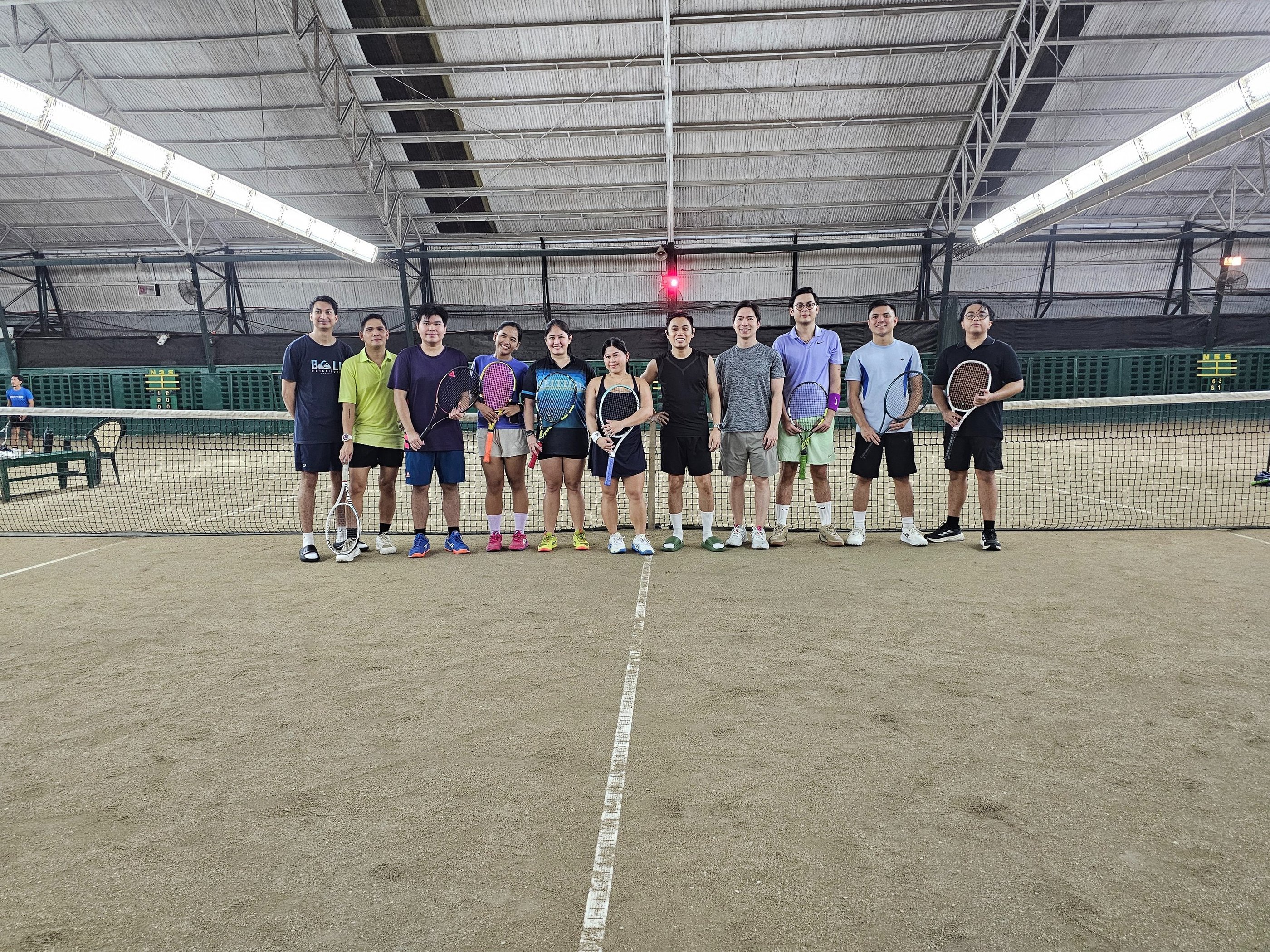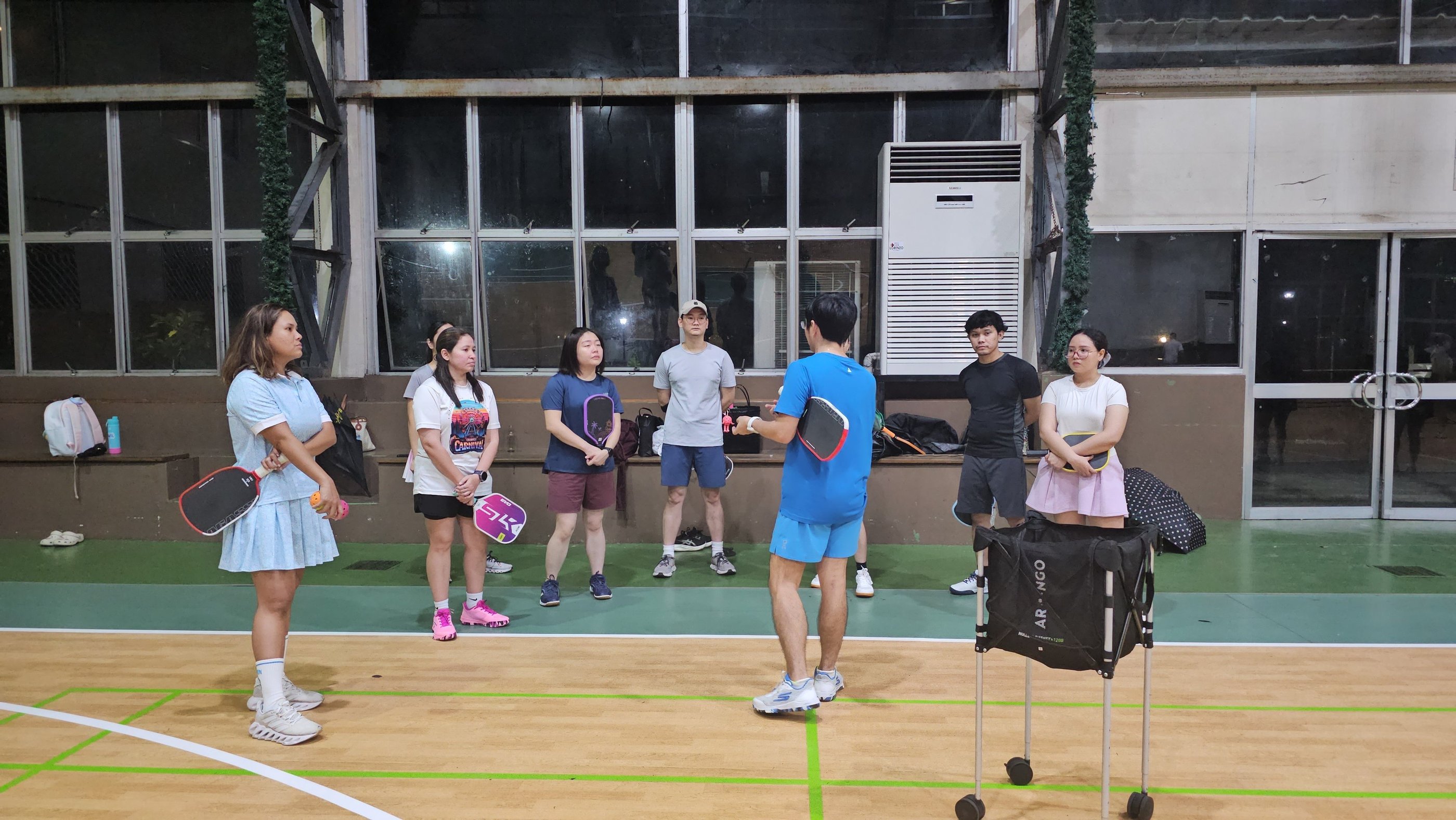
Spin24: Building a Racquet Club With Taste (Not Just Court Time)
A case study in how a curated community beats a commodity club—by design.
Patrick Segovia
12/31/20254 min read


A lot of tennis and pickleball communities fall into the same trap: they mistake size for strength. They become a Facebook group that keeps accepting so-called “members” as a plea for “inclusivity”—until the group stops being a community and becomes a noisy public square. The intent is usually good. But the outcome is predictable:
the signal-to-noise collapses
standards get diluted to avoid conflict
core members disengage quietly
and the “culture” becomes impossible to protect because it was never clearly defined
Inclusivity, when treated as an unfiltered open door, doesn’t create belonging—it creates randomness. And randomness is the fastest way to kill a premium experience. Spin24 made the opposite choice: coherence over scale. Not because we’re trying to be exclusive for the sake of ego, but because we’re building something that only works when the people inside it share a baseline philosophy. We’re not looking for hordes. We’re looking for alignment—people who value the same standards, show up with the same mindset, and want to play within a cohort where quality is protected, not negotiated.
That’s why we screen. We want to actually know who’s joining, what they’re here for, and whether they match the culture we’re shaping. And it’s also why we remove inactive members who treat the community like a directory instead of a commitment. Consistency isn’t a “nice-to-have” for us—it’s the price of entry to an experience that stays good over time.
Spin24 isn’t built around volume. It’s built around the experience: the quality of matches, the pace and attitude on court, and—most importantly—the people you end up playing with. The screening process isn’t just admin; it’s a protection mechanism. It shields our members from randoms who don’t fit the vibe, and it protects the standard we’re trying to deliver every single session.
The usual offer is basically:
“We play on X day.”
“Pay the fee.”
“See you there.”
That’s not a brand. That’s logistics. And logistics is easy to copy.
When the only thing you offer is access, you’re forced into the worst game. Price sensitivity, inconsistent attendance, low loyalty, and no real reason to choose you over the next group chat. Commodity clubs don’t lose because they’re “bad.” They lose because they’re interchangeable. Spin24’s differentiation: the brand is the product | Spin24 didn’t try to be the biggest club in the room. It tried to be the club with the clearest point of view.
We look into:
how people behave
what the vibe is
what “good” looks like
what gets celebrated
and what gets filtered out
This is the quiet power of curation: it creates trust. And trust scales faster than hype. What “curation” really means (and why it works). Curation isn’t elitism. It’s an experiential discipline.
You’re not building “sessions.” You’re building a predictable experience. Predictability is what busy, high-agency people pay for. They don’t want to “figure it out” every week. They want to show up and know it will be worth their time.
The Spin24 community flywheel. Here’s the engine, in plain terms:
Positioning: “A premium, racquet community with philosophy and taste.”
Experience: sessions that feel organized, fair (for beginners) and elevated by quality matches (for intermediates)
Signals: content + standards that make the brand legible from the outside without overloading people with the brand
Retention: people return because it consistently delivers
Referrals: members invite people who match the vibe
Reputation: the brand becomes a shortcut for quality. We don't need to sell it hard to grow
Leverage: partnerships, coaches, products, events become easier to launch
Instead of “tara laro,” like most Filipinos default to, Spin24 leans into formats:
beginner pathways (so people don’t feel lost and intimidated)
intermediate standards (so sessions stay enjoyable)
diagnostics and performance insights (so players feel progress)
Quality control is very important. A curated community has rules, but the best ones feel like culture, not enforcement:
RSVP discipline
fair rotations
consistent start/end times
clear expectations on behavior and pace
And when we fail to deliver, we make sure we give perks to keep our members happy. That’s what good branding does: it saves you from mismatched customers and compensates for the lack of discipline. With the explosion of ReClub and its community-building capabilities, Spin24 is on track to evolve into something even sharper: a club focused on experience, not just access.
This matters because tooling doesn’t just “make things easier”—it makes standards enforceable at scale. When membership rules, RSVPs, tiers, waitlists, and communications are systematized, curation stops being a manual hustle and becomes a repeatable operating model. The outcome is simple: a better experience for the right people, and a cleaner filter against the wrong fit.
Why clubs that “offer nothing else” get left behind. Because “nothing else” means: When a club doesn’t stand for anything, it can’t mean anything. And when it can’t mean anything, people churn the moment something more interesting appears. Spin24 isn’t competing on access. It’s competing on meaning.
The real advantage: defensibility. Anyone can book a court, create a game, even a tournament. But fewer can replicate a consistent standard, a curated membership base, a recognizable brand voice, structured programming, and a community that self-selects for the right vibe even outside the court.
In business terms: Spin24 moved from a commodity model to a differentiated experience model. That’s where margins, loyalty, and long-term power live. A community doesn’t become premium because you label it premium. It becomes premium when people can feel the difference—before they even step on court. This is why we make sure we test out the courts and amenities before we host in a particular area. We make sure it passes our standards.